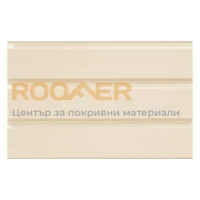
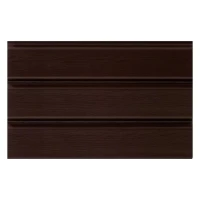
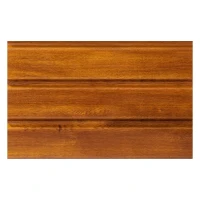
.svg "Roofer")
Eaves soffits – perfection, protection, and style with ASKO NEO
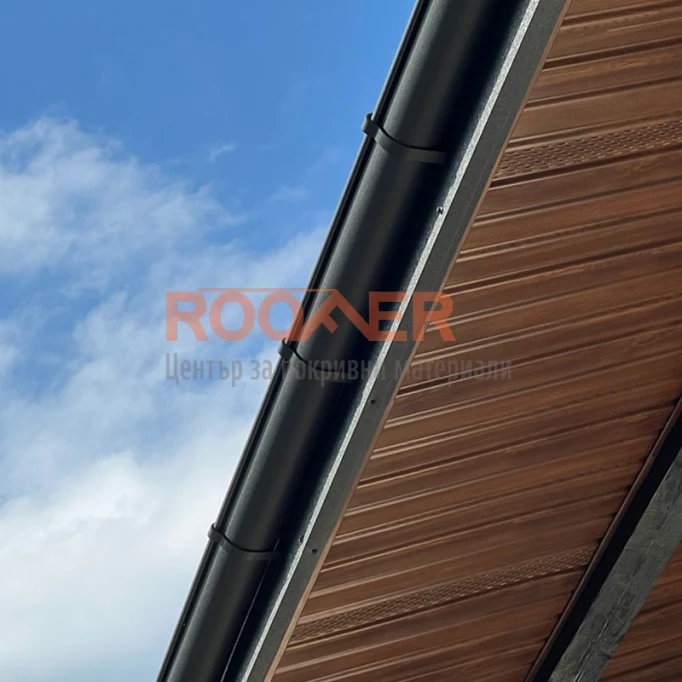
Every well-finished house is recognizable by its details – beautiful roof lines, a well-maintained facade, and precisely crafted eaves. The soffit lining of the eaves is not just a decorative finish – it is a key element in protecting the structure, providing ventilation, and extending the life of the entire roof.
In this article, we will look at what soffits are, what types exist, what criteria are used to select them, what mistakes to avoid, and why ASKO NEO models are preferred by hundreds of customers in Bulgaria.
What is a soffit and why is it important?
A soffit is a panel installed under the eaves of the roof that performs three key functions:
Decorative – it covers the beams and structural elements, giving a finished and stylish look.
Protective – it protects wooden and metal parts from moisture, wind, insects, and birds.
Ventilation – it allows air to circulate freely under the roof, preventing condensation, mold, and rot.
Without soffits, eaves remain vulnerable, leading to faster wear and tear on the structure and costly repairs.
History and evolution of soffits
In the past, eaves were mainly made of wood, which required regular painting and maintenance to protect against moisture. With the development of construction technologies, PVC and metal soffits have emerged, offering a much longer life, easy installation, and minimal maintenance. Today, soffits are available in a wide range of colors, textures, and shapes, allowing them to blend perfectly with any facade style
Types of soffits according to perforation
Solid (without perforation)
Smooth surface without holes.
Suitable for gables, enclosed verandas, or areas where ventilation is not necessary.
Pros: maximum protection from rain, dust, and wind, clean modern look.
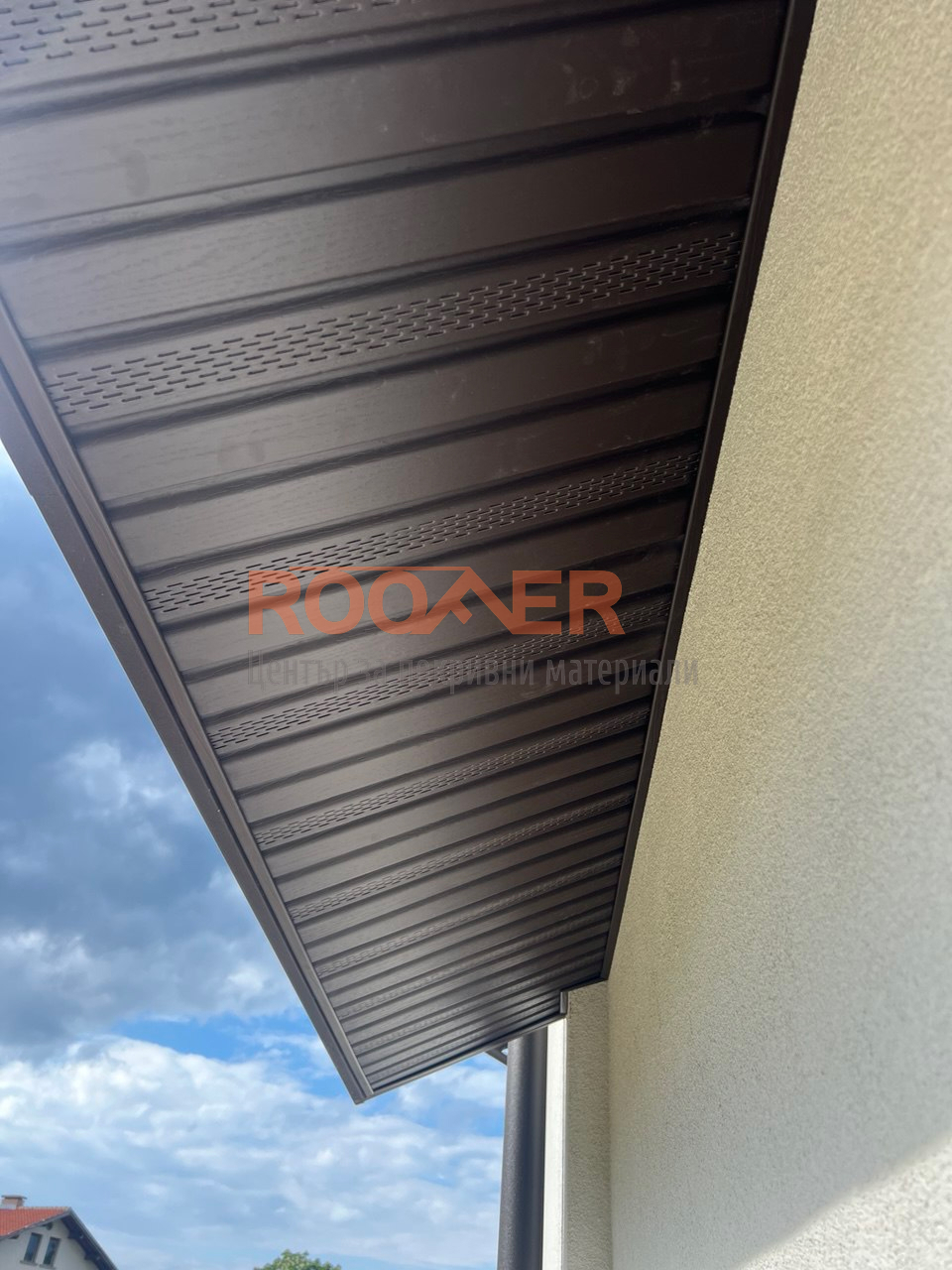
Partially perforated
Perforation only in the middle of the panel.
A universal solution – combines protection and optimal ventilation.
Fully perforated
Holes across the entire surface for maximum airflow.
Ideal for areas with high humidity or roofs with high insulation.
Types according to material
PVC (vinyl)
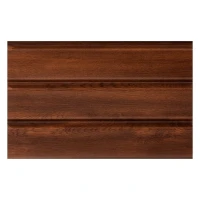
Lightweight, resistant to moisture and UV rays, does not corrode, does not need to be painted. Available in a variety of colors and textures, including imitation wood.
Metal (aluminum or steel)
Extremely strong and durable, with a polymer coating against rust. Suitable for areas with harsh climatic conditions.
Soffits with rebate
Panels with rebate joints, giving an elegant, minimalist look and additional protection against moisture penetration.
Comparison by durability
Material /Average life / Maintenance /Moisture resistance
PVC / 20–30 years/ Minimal Excellent
Aluminum/30–50 years/ Minimal Excellent
Steel /25–40 years/ Minimal Very good
Wood / 5–10 years/ High Low
Common mistakes in selection and installation
Lack of ventilation – unnecessary use of solid panels on the entire eaves.
Unsuitable material – installation of wooden soffits in areas with high humidity.
Incorrect sizing – the panels do not fit exactly and gaps remain.
Installation without a professional – incorrect fastening, leading to sagging.
Installation – step by step
Preparation of the eaves – cleaning and removal of old materials.
Installation of support profiles – metal or PVC guides along the entire length.
Installation of panels – fastening with screws/clips, without excessive tension.
Finishing – installation of decorative strips for a finished look.
ASKO NEO soffits – a solution without compromise
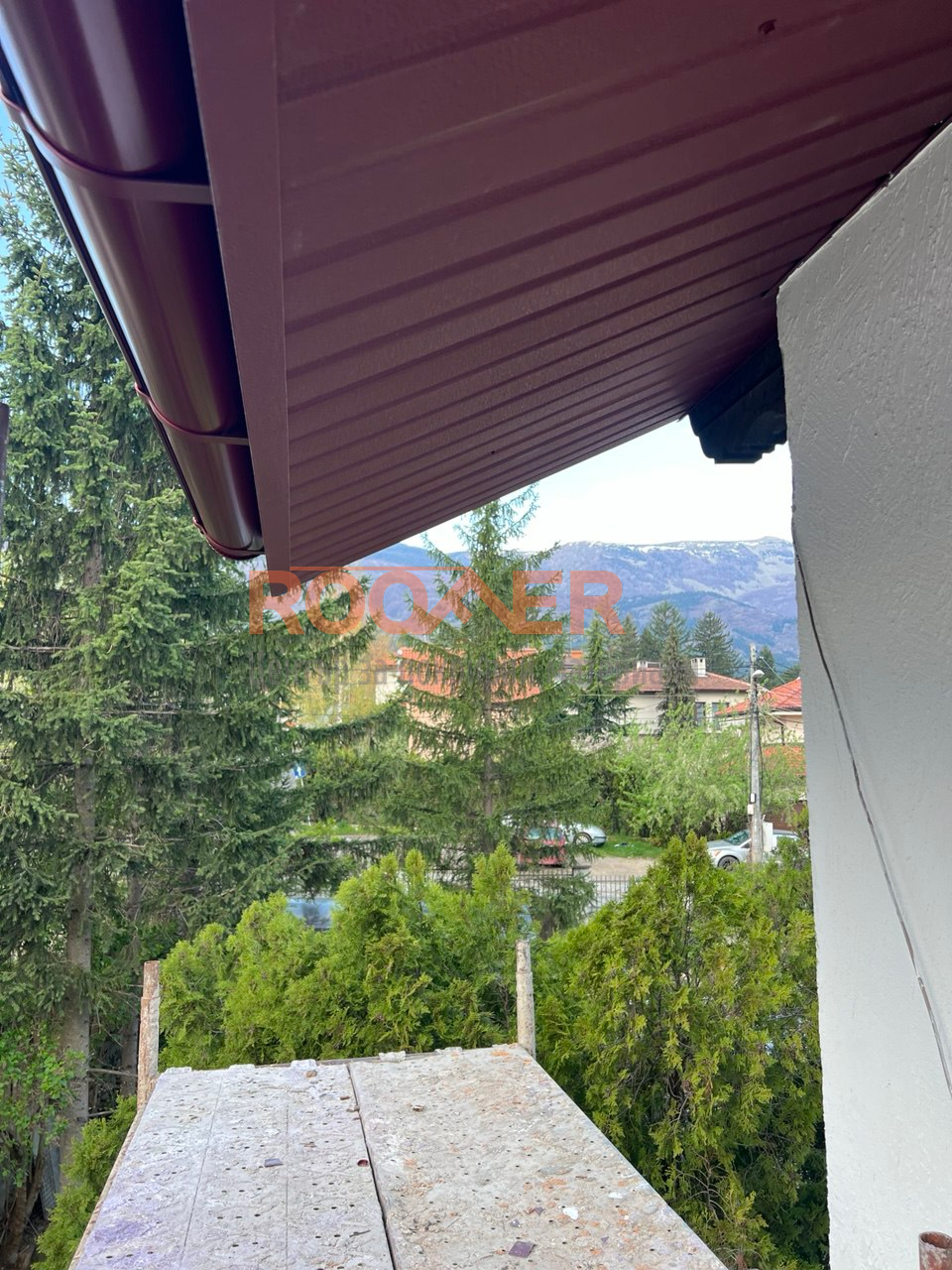
Roofer offers:
Perforated PVC – optimal balance between ventilation and protection.
Non-perforated PVC – for maximum coverage.
Metal with rebate – for elegance and maximum strength.